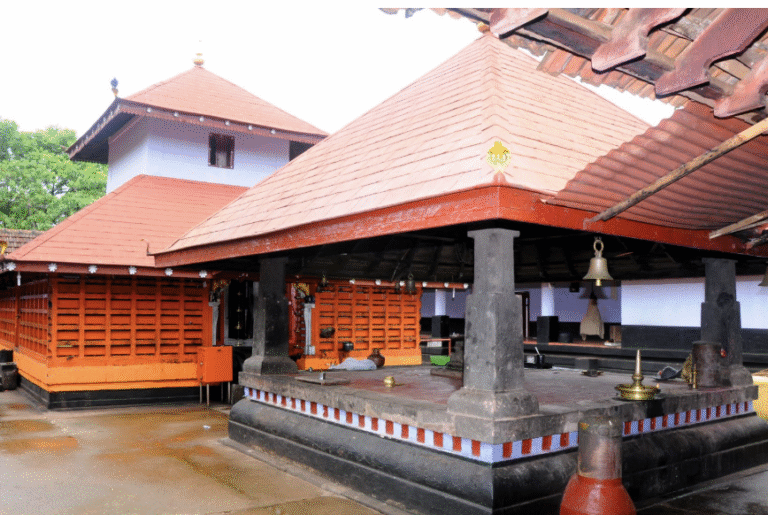
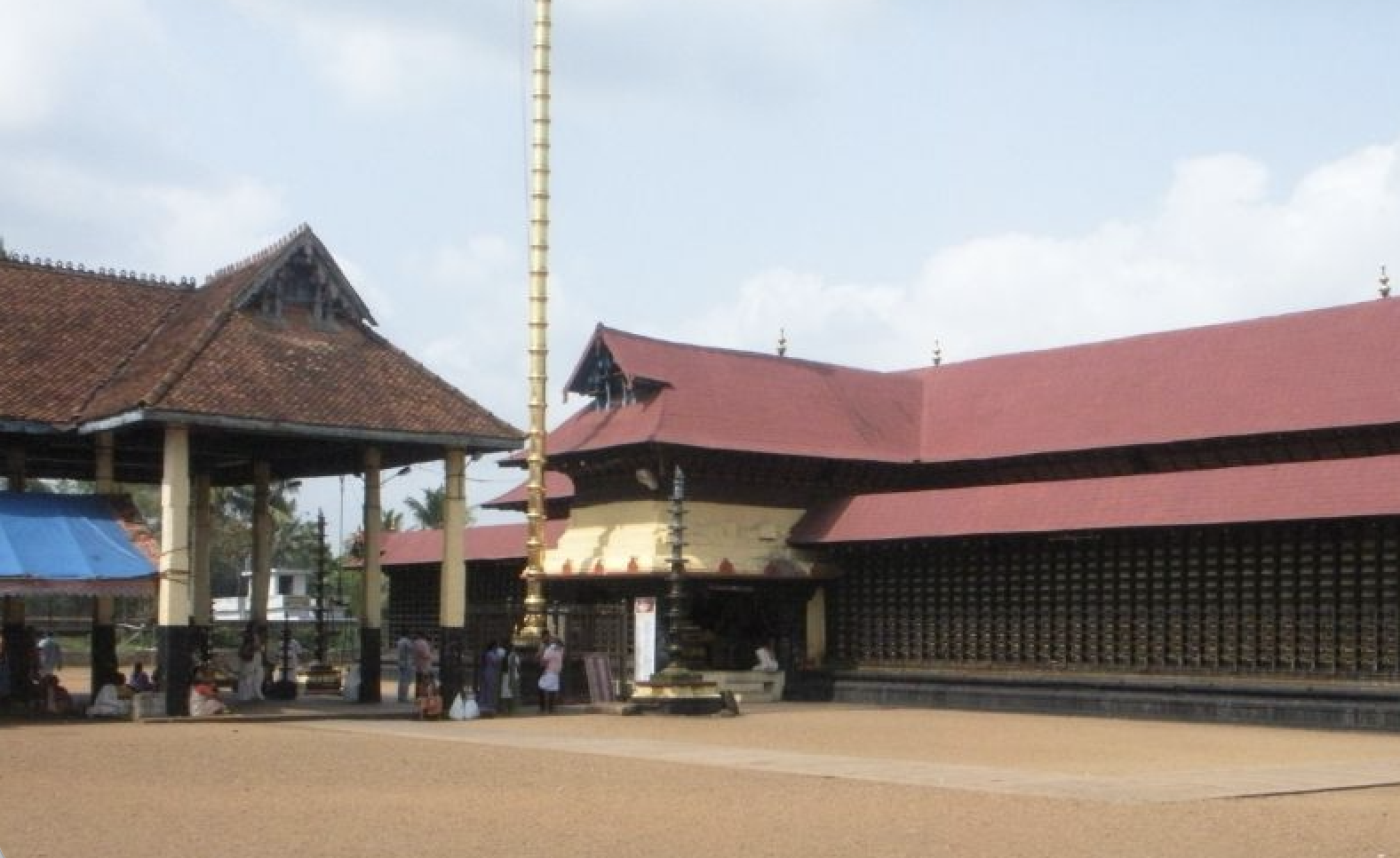
Kadalayi Sree Krishna Temple Kannur
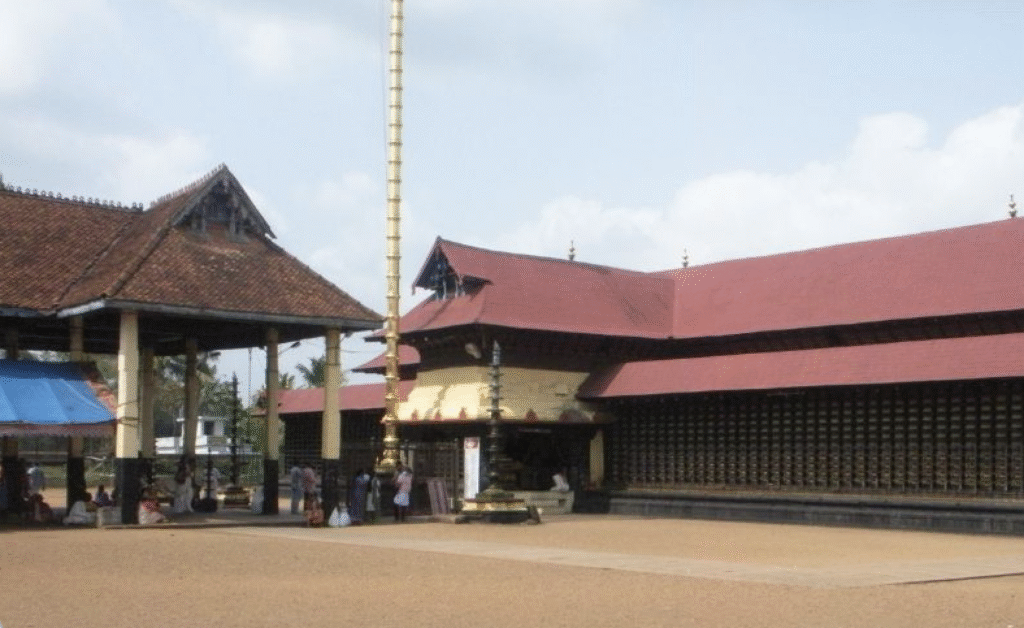
Located in Chirakkal near Puthiyateru in Kannur district, the Kadalai Sree Krishna Temple is one of the most historically significant and structurally revered Vaishnava shrines in North Kerala. Rich in sacred legends from the Mahabharata, the temple holds deep spiritual significance as it is a unique deity carved out of black Anjana Shila (a rare black stone). According to deep-rooted local legends, this sacred idol was first worshipped by Satyabhama, the royal wife of Lord Krishna, in the ancient kingdom of Dwarka, over 5,000 years ago. During a ritual, Satyabhama inadvertently did not notice Krishna standing nearby, which provoked divine anger and caused the Lord to kick the idol off its pedestal. The icon fell into the deep sea, breaking its right arm, where it drifted across the ocean for centuries and ended up in the Malabar coastal region near Kannur.
The modern historical footprint of the temple begins when a local fisherman pulled a heavy and valuable stone idol from the sea in his fishing net. Realizing its immense spiritual value, he presented the fish to Valabhan of the powerful Kolathiri dynasty of the region. The king’s astrologers quickly recognized the extraordinary sanctity of the broken idol and declared it spiritually pure and worthy of worship despite its structural imperfections. The king initially installed the deity in a village called Kadalai, located about six kilometers north of the town. However, when that original coastal structure faced the ravages of time and political instability, the Kolathiri rulers carefully shifted the sacred idol to its current home in Chirakkal about 180 years ago. Despite the change in the physical geographical address of Chirakkal, the sanctuary has consistently retained its original heritage status and is known as the Kadalai Sri Krishna Temple.
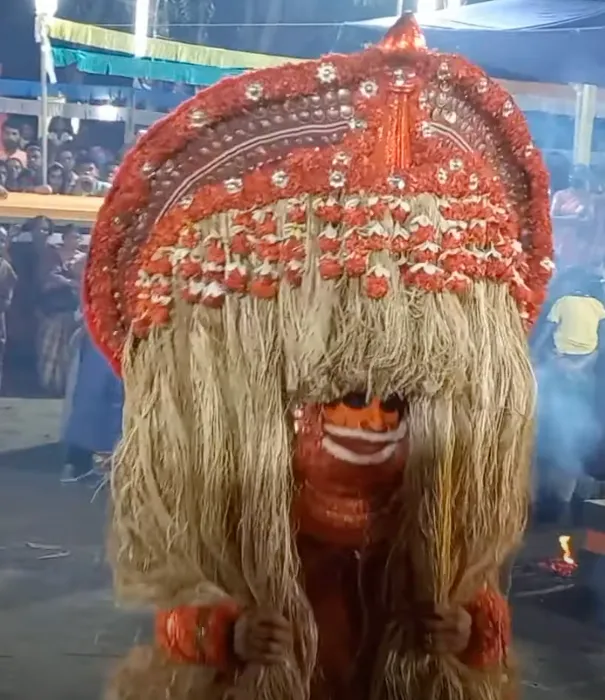
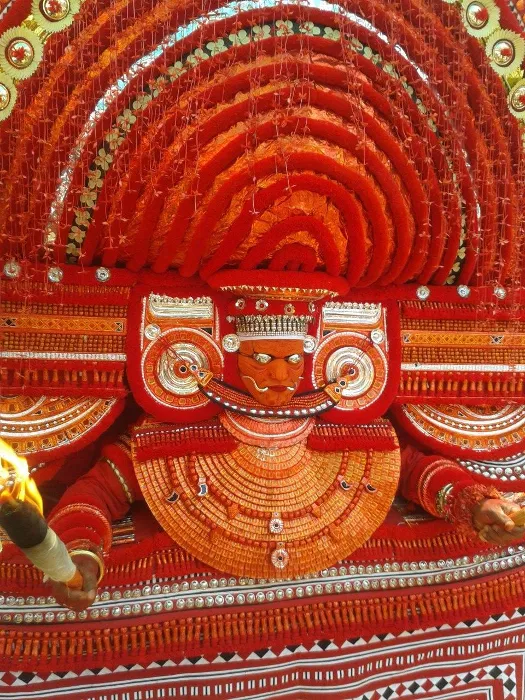
Today, the temple stands as a major cultural centre for classical performing arts and spiritual celebrations in North Kerala. The grand annual festival at the temple is celebrated with great enthusiasm over eight days in the Malayalam month of Makaram (between late January and early February). It begins with the ceremonial flag hoisting called Kodiyettam and ends with the sacred Aarattu immersion ceremony. During these eight days, the temple grounds become a lively theatre of heritage art forms, with mandatory nightly Kathakali performances, traditional Chakyarkoothu and Ottanthullal performances, and grand processions involving decorated elephants and intricate Panchavadyam percussion ensembles. Located a short distance from the historic Chirakkal Chira (Kulam) and easily accessible from Kannur Railway Station, the temple attracts a lively mix of domestic pilgrims, cultural explorers and coastal tourists who wish to experience the timeless and royal traditions of Malabar.