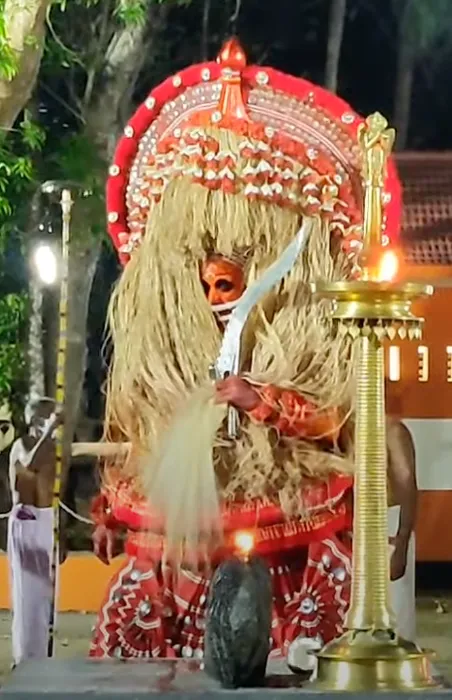
Trichambaram Sree Krishna Temple Taliparamba
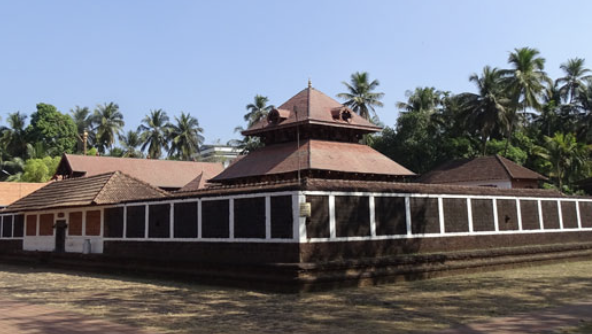
Trichambaram Sree Krishna Temple, located in Thaliparamba, Kannur district, is one of the most vibrant and historically fascinating places to visit in North Kerala. Often referred to as the “Guruvayoor of the North”, this ancient temple has a very unique spiritual atmosphere. While in most temples across India Lord Krishna is depicted as a calm, flute-playing cowherd, Trichambaram worships him in an intense and active form, right after he defeated his tyrannical uncle, King Kamsa. Due to this powerful energy, the divine presence can be seen openly in the serene courtyard, as there are no enclosed walls directly in front of the main shrine. The name of the area itself originates from the ancient sage Sambaran, who spent years meditating in the surrounding forests and transformed them into a sacred forest known as Trichambaram.
Walking through the temple grounds, it feels like stepping straight into an art museum. The beautiful, two-storey main shrine is covered in wonderfully preserved tree trunks and ancient murals that bring to life stories from the 15th century Mahabharata and the playful childhood of Krishna and his brother Balarama. A beautiful ritual followed here is the daily food offerings. Since Krishna is imagined as a boy growing hungry after his great battle, the priests open the temple doors in the morning and ensure that he is fed before the other daily rituals begin. Interestingly, you will never see elephants anywhere near this temple. Local legend has it that the deity developed an eternal dislike for them because King Kamsa attacked Krishna with a ferocious royal elephant, and the local papans still honor this tradition by staying away from the complex today.
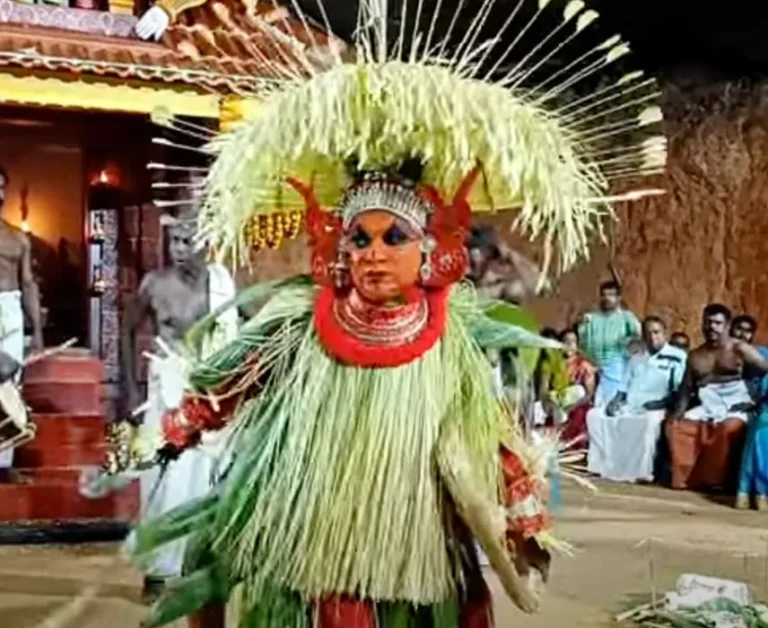
The real magic of the temple comes to life during the famous two-week annual festival held every March. Instead of using large elephant processions like the festivals of southern Kerala, Trichambaram relies on the incredible energy of the Thidambu dance. Carrying heavy sacred idols of Krishna and Balarama on their heads, the priests dance and run through the open streets of the Pookot temple, reenacting the happy childhood reunion of the two brothers. The festival ends with a deeply emotional farewell ceremony, where the brothers bid each other farewell repeatedly, drawing thousands of emotional devotees onto the streets.